Australia Heads to Police State Censorship: Minorities Rule
https://www.youtube.com/watch?v=FMUhP1lNwuA

Australia Heads to Police State Censorship: Minorities Rule
https://www.youtube.com/watch?v=FMUhP1lNwuA

WEAPONIZED WORDS: Interview with Cynthia Hodges
Conversations are directed by words, obviously. Words that are weaponized, close down all possibility of communicating important facts and history which control the preservation or annihilation of humanity. Why else would words be censored, used to imprison and harm people? Cynthia Hodges’ extensive study and life experience pertaining to words, history and today’s looming Communist overthrow, exposes how words are used to direct the minds and emotions of those unaware of the intended grimoire of words.
https://www.bitchute.com/video/JsBa6QL5AAmy Part 1
Part II
https://www.bitchute.com/video/1MR4xNAwO6LT
| Denying Freedom of Speech at Canadian Universities |
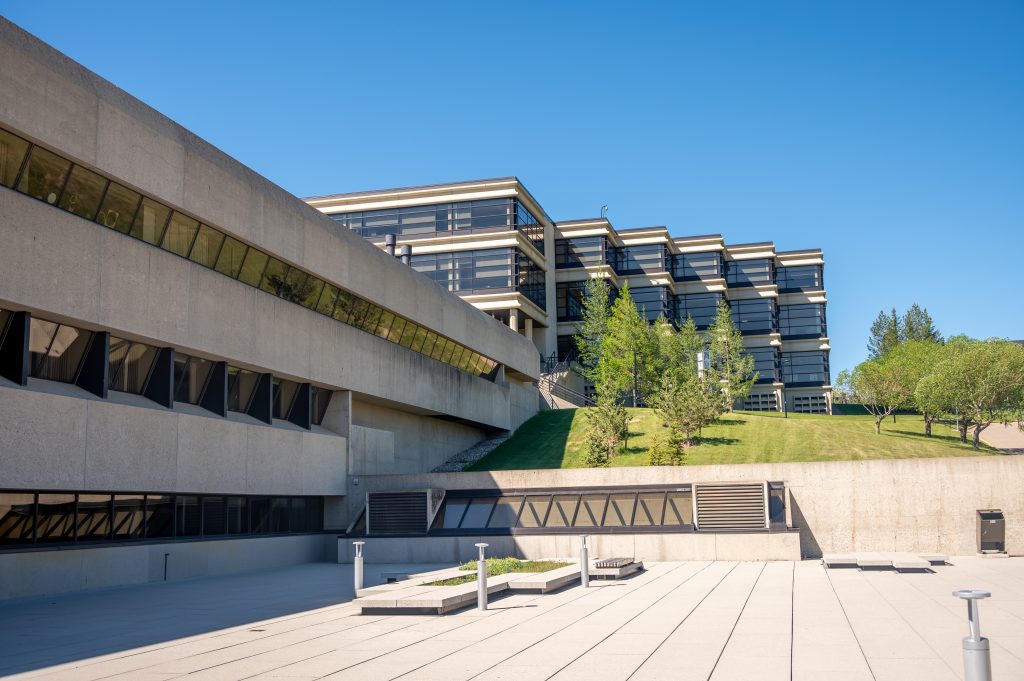
Below is an excellent article written by lawyer John Carpay, President of the Justice Centre for Constitutional Freedoms, located in Calgary, Alberta. The article discusses the tragedy that is taking place at Canadian universities, where, shockingly, freedom of speech and thought are prohibited. Instead, the universities insist that only Marxist left-wing concepts are to be heard in their institutions. Freedom of Speech is a right protected by Article 18 of the Universal Declaration of Human Rights, and Article 19 of the UN Covenant on Civil and Political Rights, and is also included in Section 2 of Canada’s Constitution, the Charter of Rights. The time has come for the provincial governments that provide billions of dollars to support universities, to withdraw financial support from universities until such time as they permit freedom of speech and thought in their institutions. Since this issue has such a detrimental effect on our future generations, we are bringing it to your attention. Please contact the Premier of your province and your Minister of Education/Colleges, Universities (see below for contact information) and request that your province withdraw funding from universities unless they agree to protect freedom of speech and thought. _________________________ It’s Time to Defund Universities that Censor Speech on Campus By: John Carpay, B.A., LL.B. President Justice Centre for Constitutional Freedoms It’s high time for Canadians to start demanding that provincial governments stop giving billions of tax dollars to public universities which demonstrate by their actions that they have no love for inquiry, debate, and truth. The arrest of Frances Widdowson at the University of Victoria for seeking to engage students in debate on campus is the latest example of an aggressive anti-intellectual trend that grows worse on campus every decade. On Dec. 2, 2025, Widdowson was charged with trespassing after attempting to engage in an open dialogue with students at UVic. She showed up on campus with a sign that read simply “What remains?” She hoped to engage students in discussions about whether they believe that 215 children are buried at the former Kamloops Indian Residential School. To this day, not one body has been found at the site in Kamloops. Canadian taxpayers have provided more than $12 million for excavations at Kamloops and other former residential school sites in B.C. that could tell us the truth. However, the local Kamloops aboriginal council continues to refuse to conduct an excavation, despite receiving all this money. Yet government, media, and academic narratives persist about the “genocidal” nature of residential schools. Widdowson, a former professor at Mount Royal University, is one of the few academics in Canada who isn’t afraid to challenge dominant but unsupported narratives like this one. Initially, the only targets of censorship, harassment, and bullying were campus pro-life groups. For example, the Simon Fraser Student Society revoked club status from the pro-life club SFU LifeLine after declaring that all clubs must take a pro-choice stance under a new “Reproductive Rights” policy. The University of Alberta condoned the bullying, censorship, and intimidation of one of its own student groups, UAlberta Pro-Life. The university was ultimately rebuked by the Alberta Court of Appeal for imposing a $17,500 “security fee” that no student club could afford. The University of Calgary found pro-life students guilty of non-academic misconduct for having peacefully expressed their unpopular opinions on campus, but was rebuked by the court in Wilson v. University of Calgary. Since the 1990s, the cancer of censorship has been tolerated and coddled by university officials across Canada. Predictably, this cancer has spread. It is no longer limited only to pro-life groups. Today, the vast majority of Canadian universities have a strong commitment to “diversity,” “equity” and “inclusion” in their mission, vision, and values statements. They impose woke ideology on all students and faculty. They have a very limited willingness to uphold free expression, open inquiry, and the pursuit of truth. The Equity, Diversity and Inclusion Institutional Capacity-Building Grants of the federal government also undermines free speech and the pursuit of truth. In order to qualify for these grants, universities must impose mandatory training for students, faculty, and staff on “anti-oppression” and “unconscious bias” strategies. However, the biggest funders of public universities are Canada’s provincial governments, not the federal government. It would take not just a book, but a large encyclopedia set, to document all the cases of Canadian universities and student unions censoring speech on campus in the past 30 years. The following are just a few examples. In 2017, McMaster University in Hamilton allowed a loud, angry mob to shout down Jordan Peterson, then a professor at the University of Toronto, and prevent him from speaking. The university’s president has not apologized. Mount Royal University, in addition to firing Widdowson because of her public disagreement with woke ideology, also cancelled its instructor Mark Hecht, in response to people claiming to be offended by his 2019 Vancouver Sun column that criticized diversity. In 2019, Simon Fraser University cowered to extremists by cancelling a panel discussion titled “How Media Bias Shapes the Gender Identity Debate.” The panelists included Meghan Murphy and Jonathan Kay, and moderator Lindsay Shepherd. In violation of the Criminal Code, trans activists threatened to physically disrupt the event by engaging in property destruction and false fire alarm activation. SFU, like so many other universities, practiced cancel culture under the guise of “safety and security.” Canadian universities ignore the fact that threats to safety and security come uniquely from intolerant thugs who violate the Criminal Code, and not from those who peacefully express their views. Yet universities routinely reward those who threaten criminal actions (e.g. disrupting and obstructing events) and punish the innocent by cancelling events. The University of British Columbia Free Speech Club booked space to host journalist Andy Ngo on Jan. 29, 2020. Ngo was to speak on the topic of antifa violence. The club paid a room booking deposit in November, but UBC rescinded the event in December with a vague mention of “safety” and “security.” More than five years later, this matter is still before the courts. In 2020, the University of Alberta fired anthropology professor Kathleen Lowrey, who describes herself as a gender-critical feminist, from her position as associate chair of undergraduate programs, because anonymous complainants said she made the learning environment “unsafe.” Neither Dean of Students André Costopoulos nor the UAlberta department of Equity, Diversity, and Inclusion and Human Resources Services would speak to the question of how many individuals complained about Lowrey and what the complaints alleged. In 2020, evolutionary ecologist and Dean of Graduate Studies at Laurentian University David Lesbarrès sent out a tweet that included a hashtag considered contentious among the activist class: “#AllLivesMatter.” Lesbarrères was removed from his position as dean by the university’s president, who claimed that his tweet “hurt many people.” In 2021, the University of Winnipeg kicked a student out of its education program for having attended a peaceful, outdoor, off-campus rally against lockdown restrictions that violated Charter freedoms. The university only reinstated the student after receiving a legal warning letter from a Justice Centre lawyer. Patrick Provost, professor of microbiology and immunology, was suspended and ultimately fired by Laval Université. An expert in micro-RNA, the small molecules that help regulate genes, Provost criticized the COVID vaccines in December 2021. He argued that the risks of COVID vaccination in children outweighed the benefits because of the potential side-effects from mRNA vaccines. Rather than facilitating debate, the university fired him in 2022. The University of Lethbridge is currently being sued over its decision in 2023 to cancel Widdowson’s lecture, “How Woke-ism Threatens Academic Freedom.” The presidents of Canadian universities, along with their boards and senior staff, have made it abundantly clear that they have no intention of restoring free expression on campus. They appeal to “academic freedom” as somehow conferring on them a right to censor unpopular views on campus. They impose woke ideology on students and staff. They want to continue receiving billions of dollars from taxpayers each year, even while refusing to facilitate the pursuit of truth through open inquiry and debate. Provincial governments can start fixing this problem tomorrow. It’s not complicated. The ministers of advanced education or post-secondary learning in each province can inform university presidents that continued taxpayer funding will be provided only on the condition that universities protect free speech and facilitate the pursuit of truth through open inquiry and debate. Provincial legislation can be modified if necessary. If a university refuses to meet this fair and basic standard, it is free to seek out funding from sources other than government. Taxpayers and their elected representatives have been far too tolerant of egregious misconduct, for far too long. John Carpay, B.A., LL.B. has defended campus free speech in courts of law and in the court of public opinion for more than two decades. He is President of the Justice Centre for Constitutional Freedoms (jccf.ca). |
PRIX INTERNATIONAL ROBERT FAURISSON 2026
(septième édition)
Ostuni, le 29 janvier 2026
Chers amis,
Je suis heureux de vous annoncer que la septième édition du Prix international Robert Faurisson 2026 s’est déroulée avec succès à Vichy le 25 janvier, sans aucune intrusion, entrave ou perturbation de la part de l’Ennemi (de l’homme, de la nature, du bien, du beau, du vrai).
Après l’hommage habituel, à 11 heures, à la tombe du Professeur, que nous avons constatée en bon état et embellie par la gravure du poème « Voyelles » d’Arthur Rimbaud, la célébration du Prix Faurisson a ensuite eu lieu dans un local de la ville.
Ursula Haverbeck (2019), Vincent Reynouard (2020), Wolfgang Fröhlich (2021), Monika et Alfred Schaefer (2022), Germar Rudolf (2023), Arthur Butz (2024)… Pour la première fois, le Prix a été décerné cette année à la mémoire d’un éminent chercheur révisionniste récemment décédé, Jürgen Graf*.

Polyglotte de génie et chercheur redoutable, Jürgen Graf a apporté, avec lucidité, courage et dévouement, une contribution fondamentale et durable au révisionnisme historique.

PRIX INTERNATIONAL ROBERT FAURISSON 2026
(septième édition)
À Jürgen Graf
(Bâle, 15 août 1951 – 14 janvier 2025),
chercheur-savant génial et intrépide qui a consacré une grande partie de son énergie au révisionnisme historique, dont il est devenu l’un des plus brillants représentants. In memoriam.
Peu avant sa disparition, un de mes grands amis, qui faisait partie du Comité du Prix depuis sa création et à qui l’on doit le site web qui rassemble les « Archives Faurisson » (https://robert-faurisson.com/), lui aussi nous a quittés : l’excellent Guillaume Nichols, secrétaire du Professeur.
J’imagine maintenant Jürgen, Guillaume et Robert se promenant ensemble, discutant, dans les prairies infinies des Champs-Élysées.
Joe Fallisi
* « Graf est né à Bâle, en Suisse alémanique, en 1951. Il a étudié les langues romanes, l’anglais et les études scandinaves à l’université de Bâle, où il a obtenu sa licence. Il a ensuite travaillé comme enseignant et traducteur en Suisse et à l’étranger. En 1991, grâce à son compatriote plus âgé Arthur Vogt, il a découvert le révisionnisme historique, auquel il a depuis consacré la majeure partie de son énergie créative.
En 1998, il a été condamné à Baden, en Suisse, à 15 mois de prison ferme pour ” discrimination raciale ” présumée en raison de ses livres révisionnistes et d’autres écrits relatifs au récit juif de l’histoire des Juifs en Europe pendant la Seconde Guerre mondiale, un récit soutenu en Occident et en Russie par le droit pénal ; son éditeur âgé et gravement malade, Gerhard Förster (décédé peu après), a été condamné à 12 mois. Graf n’a toutefois pas purgé sa peine, mais s’est exilé à Moscou en août 2000.
Après l’expiration du délai de prescription pour les poursuites pénales, Jürgen Graf est retourné dans sa ville natale, Bâle, en 2018, avec sa femme biélorusse. Il est décédé d’un cancer. » (https://de.metapedia.org/wiki/Graf,_J%C3%BCrgen_(1951))
°°°°°°°°
ROBERT FAURISSON INTERNATIONAL PRIZE 2026 (seventh edition)
Ostuni, 29 January 2026
Dear friends,
I am pleased to inform you that the Robert Faurisson International Prize 2026, seventh edition, took place successfully in Vichy on 25 January without any intrusion, impediment or disturbance from the Enemy (of man, nature, goodness, beauty and truth).
After the customary tribute at 11 a.m. at the Professor’s grave, which we found to be in good condition and embellished with an engraving of Arthur Rimbaud’s poem ‘Voyelles’, the award ceremony took place in a venue in the city.
Ursula Haverbeck (2019), Vincent Reynouard (2020), Wolfgang Fröhlich (2021), Monika and Alfred Schaefer (2022), Germar Rudolf (2023), Arthur Butz (2024)… For the first time, this year’s Prize was given posthumously to Jürgen Graf*, a distinguished revisionist scholar who recently passed away.

A brilliant polyglot and formidable researcher, Jürgen Graf made a fundamental and lasting contribution to historical revisionism with his lucidity, courage and devotion.

ROBERT FAURISSON INTERNATIONAL PRIZE 2026
(seventh edition)
To Jürgen Graf
(Basel, 15 August 1951 – 14 January 2025),
a brilliant and intrepid researcher and scholar who devoted much of his energy to historical revisionism, becoming one of its most luminous exponents. In memoriam.
Shortly before his passing, a great friend of mine also “moved on”, who had been part of its Committee since the creation of the Prize and to whom we owe the website that collects the “Faurisson Archive” (https://robert-faurisson.com/): the excellent Guillaume Nichols, secretary of the Professor.
Now I imagine Jürgen, Guillaume and Robert strolling together, conversing, in the boundless meadows of the Elysian Fields.
Joe Fallisi
* “Graf was born in Basel, German-speaking Switzerland, in 1951. He studied Romance languages, English and Scandinavian studies at the University of Basel, graduating with a licentiate degree. He then worked as a teacher and translator in Switzerland and abroad. In 1991, through his older compatriot Arthur Vogt, he became acquainted with historical revisionism, to which he has since devoted most of his creative energy.
In 1998, he was sentenced in Baden, Switzerland, to 15 months’ imprisonment without parole for alleged ‘racial discrimination’ due to his revisionist books and other writings related to the Jewish narrative of the history of Jews in Europe during the Second World War, a narrative upheld in the West and Russia through criminal law; his elderly and seriously ill publisher Gerhard Förster (who died shortly afterwards) received a 12-month sentence. Graf did not serve his sentence, however, but went into exile in Moscow in August 2000.
After the statute of limitations for criminal prosecution expired, Jürgen Graf returned to his hometown of Basel in 2018, together with his Belarusian wife. He died of cancer.” (https://de.metapedia.org/wiki/Graf,_J%C3%BCrgen_(1951))
°°°°°°°°
PREMIO INTERNAZIONALE ROBERT FAURISSON 2026 (settima edizione)
Ostuni, 29 gennaio 2026
Cari amici,
sono lieto di comunicarvi che il Premio Internazionale Robert Faurisson 2026, settima edizione, si è svolto felicemente a Vichy il 25 gennaio senza alcuna intrusione, impedimento o disturbo da parte del Nemico (dell’uomo, della natura, del buono, del bello, del vero).
Dopo il consueto omaggio, alle 11, alla tomba del Professore, che abbiamo constatato in buone condizioni e abbellita dall’incisione della poesia “Voyelles” di Arthur Rimbaud, ha poi avuto luogo, in un locale della città, la celebrazione del Premio.
Ursula Haverbeck (2019), Vincent Reynouard (2020), Wolfgang Fröhlich (2021), Monika e Alfred Schaefer (2022), Germar Rudolf (2023), Arthur Butz (2024)… Per la prima volta il Premio è stato attribuito quest’anno alla memoria di un egregio studioso revisionista morto recentemente, Jürgen Graf*.

Geniale poliglotta e formidabile ricercatore, Jürgen Graf ha dato, con lucidità, coraggio e devozione, un contributo fondamentale e duraturo al revisionismo storico.

PREMIO INTERNAZIONALE ROBERT FAURISSON 2026
(settima edizione)
A Jürgen Graf
(Basilea, 15 agosto 1951 – 14 gennaio 2025),
geniale e intrepido ricercatore-studioso che dedicò gran parte delle sue energie al revisionismo storico, divenendone uno dei più luminosi esponenti. In memoriam.
Poco prima della sua scomparsa è “andato avanti” anche un mio grande amico, che fin dalla creazione del Premio aveva fatto parte del suo Comitato e a cui si deve il website che raccoglie l'”Archivio Faurissson” (https://robert-faurisson.com/): l’ottimo Guillaume Nichols, segretario del Professore.
Ora immagino che Jürgen, Guillaume e Robert passeggino insieme, conversando, nei prati sconfinati dei Campi Elisi.
Joe Fallisi
* “Graf è nato a Basilea, nella Svizzera tedesca, nel 1951. Ha studiato lingue romanze, inglese e studi scandinavi all’Università di Basilea, conseguendo la licenza. Ha poi lavorato come insegnante e traduttore in Svizzera e all’estero. Nel 1991, tramite il suo connazionale più anziano Arthur Vogt, è venuto a conoscenza del revisionismo storico, al quale da allora ha dedicato la maggior parte della sua energia creativa.
Nel 1998, fu condannato a Baden, in Svizzera, a 15 mesi di reclusione senza libertà vigilata per presunta ‘discriminazione razziale’ dovuta ai suoi libri revisionisti e ad altri scritti relativi alla narrazione ebraica sulla storia degli ebrei in Europa durante la seconda guerra mondiale, una narrazione sostenuta in Occidente e in Russia attraverso il diritto penale; il suo anziano e gravemente malato editore Gerhard Förster (che morì poco dopo) ricevette una condanna a 12 mesi. Graf non scontò la sua pena, tuttavia, ma andò in esilio a Mosca nell’agosto 2000.
Dopo la scadenza del termine di prescrizione per l’azione penale, Jürgen Graf è tornato nella sua città natale, Basilea, nel 2018, insieme alla moglie bielorussa. È morto di cancro.” (https://de.metapedia.org/wiki/Graf,_J%C3%BCrgen_(1951))
Dear Friends,
The courthouse where I am standing trial for my so-called “hate crime,” May 25 -June 12, 2026, is located at 361 University Ave, Toronto, ON which is providentially located in Chrystia Freeland’s riding “University-Rosedale.” As many already know, Chrystia decided to ditch her constituents for much more important matters, like consulting Zelensky on Ukraine’s economy. Chrystia did such a fine job with the finances in Canada, not to mention she played a direct role in freezing people’s bank accounts when they protested her government’s draconian lockdown and coercive vaccine policies; I was actually delighted to see her go. I became even more enchanted with Chrystia’s departure when I realized the bylection to replace her is taking place approximately the same time my trial is happening, which lines everything up perfectly (perhaps providentially), as I am required to be in her riding when the byelection is happening to stand trial for my so-called “hate crime,” and really who is better suited and more qualified to represent this riding in Parliament than myself?
Anyways, here is my common sense, conservative Christian, Rural Albertan, election platform; tailored to meet the needs of downtown Toronto’s University-Rosedale riding. This riding seems to be populated by a diverse mixture of wealthy Liberal Anglo-Saxons (Rosedale), sodomites (downtown), university students and faculty (west end and downtown) and a mixture of immigrant cultures, Portugese, East Indian, Iranian, and not an insignificant minority of Chinese and Jews. Anyways, Christ and conservatism is the answer for all of them and indeed if they embrace my platform and vote for me, we could even help bring Toronto to its sense and in the process overcome some of the cultural and political divides driving Alberta separatism! Here is my Christian, conservative, common sense, election platform:


Anyways, God has provided me with an official agent who resides not too far from the riding and a couple potential helpers. It seems the Lord is bringing this worthwhile ministry and possible career advancement to fruition.
If you would like to donate to my political campaign you will be able to do so in a couple months or so. I am reading through the election regs and my official agent and I will open an election account when I get to Ontario, but at this point we are both sort of incompetent when it comes to this sort of thing, so please bear with us until we figure it out and get it done.
I am still in need of some volunteers for signature gathering and helping at all cadidate meetings. I need 100 signatures (and a few extra after that number is recommended by Elections Canada for a margin of error). The signatures need to be gathered in the riding before the election starts. Over 105,000 people reside in the riding, so we should be able to get 130 signatures or so without too much trouble, especially if I have a few helpers.
Here is a map of the riding: https://www.elections.ca/map_02.aspx?lang=e&p=06_ON&t=/1Dis/35112&d=35112
I have a good friend in Hamilton willing to host me for my hate crime trial. If I could get some accomodations closer to my riding that would be a blessing and I might have one good friend from the United States willing to come up and help me so I need a spot for him too.
Anyway, my hearing for the verdict on whether or not homosexual activist Nick Mule’ will be allowed to give “expert” testimony on my Gospel flyer distributed in the Toronto Homosexual unGodly Pride Parade in June 2016, will be rendered this coming Thursday at 10 am (Toronto time).
The link for the courtroom is here: Link: VIRTUAL COURTROOM A (2-1)
Anyways, you can read Nick Mule’s “expert” paper that cost Ontario taxpayers $10,000 and was excluded from my last trial by Justice Goldstein by clicking the link below. Justice Lorne Sossin (he/him) overturned Goldstein’s acquittal and ordered a second trial because Nick Mule’ and his paper was excluded from my last trial: https://billwhatcott.wordpress.com/2024/02/02/whatcott-prayer-request-and-hearing-coming-up-this-monday-february-5th-900-am-toronto-superior-court/
My election will be somewhat low budget (the biggest expense will be looking after my friend from the United States and my above election flyer). What I really need help with is money for myself to get to court in Ontario and to find a place to stay closer to the riding and my courthouse if possible. If you would like to help with these important needs you can do so here:
https://www.lifefunder.com/whatcott/
In Christ’s Service, Bill Whatcott
“For we do not wrestle against flesh and blood, but against principalities, against powers, against the rulers of the darkness of this age, against spiritual hosts of wickedness in the heavenly places. Therefore take up the whole armor of God, that you may be able to withstand in the evil day, and having done all, to stand.” Ephesians 6:12-13
Christine Van Geyn20 Jan 2026
A generational civil liberties victory has been upheld. On Jan. 16, the Federal Court of Appeal held that the Trudeau government illegally invoked the Emergencies Act in 2022 in response to the Freedom Convoy.
The unanimous judgment, which upheld the lower court’s decision in 2024, is meticulous, devastating and leaves little room for doubt. Future governments facing political turmoil have been put on clear notice: they cannot casually reach for emergency powers to solve a domestic protest.
The case was brought by the Canadian Constitution Foundation (CCF) and the Canadian Civil Liberties Association, along with several individuals directly affected by the emergency measures. The court accepted the CCF’S argument that the Emergencies Act was never meant to be easy to use.
The act was deliberately crafted as a response to the abuses of the War Measures Act, infamously deployed by Pierre Trudeau during the October Crisis in 1970. Parliament replaced that law with one designed to restrain executive power, not expand it. As the Federal Court of Appeal emphasized, “one must not lose sight … of the history of the Act and of the context in which it was adopted.” Parliament, the court noted, “precisely circumscribed Cabinet’s discretion” to prevent the casual or political use of emergency powers.
Yet that is exactly what happened in February 2022.
The Trudeau government invoked the Emergencies Act in response to noisy and disruptive protests in Ottawa and blockades at several border crossings. The court rejected, point by point, the government’s attempt to justify that decision.
To invoke the act lawfully, cabinet had to reasonably believe that Canada faced a “threat to the security of Canada” — a term Parliament deliberately imported from the Canadian Security Intelligence Service (CSIS) Act and associated with serious violence. The government attempted to dilute that meaning, arguing that economic disruption and protest activity could qualify.
The court flatly rejected that argument. “To claim that the threshold for declaring a public order emergency … could be lower than the threshold for using the surveillance powers … under the CSIS Act would make little sense,” it wrote. “If anything, it should be the reverse.” Emergency powers, the judges made clear, demand more justification, not less — particularly when they authorize “a vast array of draconian powers without any prior authorization.”
Even more damaging was the court’s assessment of the evidence. Aside from the situation in Coutts, where a weapons cache was discovered but resolved using ordinary law before the Emergencies Act was invoked, there was no credible proof of serious violence: “When properly understood as requiring bodily harm, the evidence is quite simply lacking.”
CSIS ITSELF HAD ASSESSED THERE WAS NO THREAT TO NATIONAL SECURITY.
CSIS itself had assessed that there was no threat to national security, and the government invoked emergency powers before a requested alternative threat assessment was completed.
The court’s conclusion was blunt: “As disturbing and disruptive as the blockades and protests could be, they fell well short of a threat to national security.”
The government also failed the Emergencies Act’s “last resort” requirement. Emergency powers may be used only when existing laws are insufficient. Yet the protests were ultimately cleared using the Criminal Code — the very tools already available at the time. The RCMP commissioner at the time had even advised the government that police had not exhausted their existing powers.
What was lacking in Ottawa, the court observed, was not legal authority but policing resources and co-ordination. That is not a national emergency. It is a failure of governance.
Equally damning was the government’s disregard for provincial opposition. Most provinces warned that invoking the Emergencies Act would be unnecessary and divisive. Cabinet failed to meaningfully engage with that opposition.
“In a federation,” the court wrote, “provinces should be left to determine for themselves how best to deal with a critical situation, especially when it largely calls for the application of the Criminal Code by police forces.” The judges emphasized that if the situation does not exceed capacity or authority of the provinces, “they should be left to their own devices.”
The regulations enacted after the declaration fared no better under constitutional scrutiny.
The court ruled that the sweeping ban on assemblies violated freedom of expression by criminalizing mere attendance at protests, including peaceful expression on Parliament Hill. Individuals could face up to five years in prison “not because of anything they were doing,” but because someone else nearby might breach the peace. That, the judges held, was grossly overbroad and unconstitutional.
Perhaps most chilling was the ruling on the financial measures. Banks were compelled to share Canadians’ private financial information with police without a warrant, without notice, and without recourse. Financial institutions were effectively deputized as agents of the state and told to “leverage the news” and social media to identify suspects.
The court found that this ad hoc system “lacked procedural safeguards” and allowed privacy to be invaded based on “potentially unfounded, subjective beliefs.” It violated the Charter’s protection against unreasonable search and could not be justified.
This decision now stands as binding precedent. It places real legal constraints on future governments and ensures that the Emergencies Act cannot be repurposed as a political convenience. It restores the act to what Parliament intended: a narrow, exceptional tool, not a blunt instrument against dissent.
The government spent millions defending the indefensible. It lost completely. And in doing so, it handed Canadians one of the most important civil liberties rulings in a generation.
That is worth celebrating. (National Post, January 29, 2026)
Christine Van Geyn is the litigation director for the Canadian
Constitution Foundation.
Christine Van Geyn20 Jan 2026
A generational civil liberties victory has been upheld. On Jan. 16, the Federal Court of Appeal held that the Trudeau government illegally invoked the Emergencies Act in 2022 in response to the Freedom Convoy.
The unanimous judgment, which upheld the lower court’s decision in 2024, is meticulous, devastating and leaves little room for doubt. Future governments facing political turmoil have been put on clear notice: they cannot casually reach for emergency powers to solve a domestic protest.
The case was brought by the Canadian Constitution Foundation (CCF) and the Canadian Civil Liberties Association, along with several individuals directly affected by the emergency measures. The court accepted the CCF’S argument that the Emergencies Act was never meant to be easy to use.
The act was deliberately crafted as a response to the abuses of the War Measures Act, infamously deployed by Pierre Trudeau during the October Crisis in 1970. Parliament replaced that law with one designed to restrain executive power, not expand it. As the Federal Court of Appeal emphasized, “one must not lose sight … of the history of the Act and of the context in which it was adopted.” Parliament, the court noted, “precisely circumscribed Cabinet’s discretion” to prevent the casual or political use of emergency powers.
Yet that is exactly what happened in February 2022.
The Trudeau government invoked the Emergencies Act in response to noisy and disruptive protests in Ottawa and blockades at several border crossings. The court rejected, point by point, the government’s attempt to justify that decision.
To invoke the act lawfully, cabinet had to reasonably believe that Canada faced a “threat to the security of Canada” — a term Parliament deliberately imported from the Canadian Security Intelligence Service (CSIS) Act and associated with serious violence. The government attempted to dilute that meaning, arguing that economic disruption and protest activity could qualify.
The court flatly rejected that argument. “To claim that the threshold for declaring a public order emergency … could be lower than the threshold for using the surveillance powers … under the CSIS Act would make little sense,” it wrote. “If anything, it should be the reverse.” Emergency powers, the judges made clear, demand more justification, not less — particularly when they authorize “a vast array of draconian powers without any prior authorization.”
Even more damaging was the court’s assessment of the evidence. Aside from the situation in Coutts, where a weapons cache was discovered but resolved using ordinary law before the Emergencies Act was invoked, there was no credible proof of serious violence: “When properly understood as requiring bodily harm, the evidence is quite simply lacking.”
CSIS ITSELF HAD ASSESSED THERE WAS NO THREAT TO NATIONAL SECURITY.
CSIS itself had assessed that there was no threat to national security, and the government invoked emergency powers before a requested alternative threat assessment was completed.
The court’s conclusion was blunt: “As disturbing and disruptive as the blockades and protests could be, they fell well short of a threat to national security.”
The government also failed the Emergencies Act’s “last resort” requirement. Emergency powers may be used only when existing laws are insufficient. Yet the protests were ultimately cleared using the Criminal Code — the very tools already available at the time. The RCMP commissioner at the time had even advised the government that police had not exhausted their existing powers.
What was lacking in Ottawa, the court observed, was not legal authority but policing resources and co-ordination. That is not a national emergency. It is a failure of governance.
Equally damning was the government’s disregard for provincial opposition. Most provinces warned that invoking the Emergencies Act would be unnecessary and divisive. Cabinet failed to meaningfully engage with that opposition.
“In a federation,” the court wrote, “provinces should be left to determine for themselves how best to deal with a critical situation, especially when it largely calls for the application of the Criminal Code by police forces.” The judges emphasized that if the situation does not exceed capacity or authority of the provinces, “they should be left to their own devices.”
The regulations enacted after the declaration fared no better under constitutional scrutiny.
The court ruled that the sweeping ban on assemblies violated freedom of expression by criminalizing mere attendance at protests, including peaceful expression on Parliament Hill. Individuals could face up to five years in prison “not because of anything they were doing,” but because someone else nearby might breach the peace. That, the judges held, was grossly overbroad and unconstitutional.
Perhaps most chilling was the ruling on the financial measures. Banks were compelled to share Canadians’ private financial information with police without a warrant, without notice, and without recourse. Financial institutions were effectively deputized as agents of the state and told to “leverage the news” and social media to identify suspects.
The court found that this ad hoc system “lacked procedural safeguards” and allowed privacy to be invaded based on “potentially unfounded, subjective beliefs.” It violated the Charter’s protection against unreasonable search and could not be justified.
This decision now stands as binding precedent. It places real legal constraints on future governments and ensures that the Emergencies Act cannot be repurposed as a political convenience. It restores the act to what Parliament intended: a narrow, exceptional tool, not a blunt instrument against dissent.
The government spent millions defending the indefensible. It lost completely. And in doing so, it handed Canadians one of the most important civil liberties rulings in a generation.
That is worth celebrating. (National Post, January 29, 2026)
Christine Van Geyn is the litigation director for the Canadian
Constitution Foundation.
1,900 actions of 10,000 goal
Sign the petition
?
We use Brevo as our marketing platform. By submitting this form, you agree that the personal data you provide will be transferred to Brevo for processing in accordance with our privacy policy.

To the Australian Government
We call on you to:
– Repeal the Combatting Antisemitism, Hate and Extremism (Criminal and Migration Laws) Bill 2026.
– Commit to protecting freedom of expression and due process, including the presumption of innocence.
– Review current Speech Suppression laws to stop their weaponisation.
The Speech Suppression Laws have passed. The consequences are now real.
The Australian Parliament has just passed sweeping new criminal and migration laws that dramatically expand the state’s power over speech, association and expression.
The laws are un-Australian and go against the very idea of justice and fairness that we as a nation hold so dearly. It hands the state the power to criminalise speech, suppress dissent and punish people without due process.
In some cases, decisions may be made without procedural fairness, and penalties can flow from speech, symbolic expression, or perceived association rather than proven wrongdoing.
The laws mark a sharp departure from established Australian values of fairness, proportionality and the rule of law.
Under this law, claims of “association” can now ruin lives, leaving people branded and punished without real safeguards or a fair way to fight back, similar to the crack down of The Communist Party in the 1950s.
The fight is not over.
Parliament can repeal laws. Powers can be limited. Safeguards can be restored.
But only if Australians speak now.
Sign the petition to repeal these laws.
Defend free speech. Defend fairness. Defend Australia.
HUGE VICTORY FOR FREEDOM OF SPEECH & FREEDOM OF ASSEMBLY: Government’s use of Emergencies Act in 2022 was ‘unreasonable’: Court of Appeal
Justin Trudeau’s petulant invocation of Canada’s most restrictive legislation, the Emergencies Act (successor to the War Measures Act) to deal with what was essentially a parking problem in Ottawa has been ruled unconstitutional by the Federal l Court of Appeal
424.2K Followers
Justin Trudeau’s petulant invocation of Canada’s most restrictive legislation, the Emergencies Act (successor to the War Measures Act) to deal with what was essentially a parking problem in Ottawa has been ruled unconstitutional by the Federal l Court of Appeal. This is an important victory for freedom of speech and freedom of assembly. We hope it has real life consequences. CAFE demands that:
1. All convictions of truckers and their supporters be pardoned.2. Those people who suffered jail time unable to get bail — Tamara Lich and others — should receive financial compensation.3. Those who suffered the freezing by complicit banks of their bank accounts be compensated financially.
4. The politicians who imposed this vile police state act on Canadians, especially Justin Trudeau and Chrystia Freeland be sued for violation of Canadians’ civil rights.
Story by Jim Bronskill
• 6h •
OTTAWA — The Federal Court of Appeal has ruled it was unreasonable for the Liberal government to use the Emergencies Act four years ago to quell protests in the national capital and at key border points.
The decision issued Friday affirms a 2024 Federal Court ruling that rejected use of the emergencies law and found invocation of the act led to the infringement of constitutional rights.
The Federal Court of Appeal said the government lacked a basis to declare that the events across Canada posed a threat to national security or amounted to a national emergency — requirements that must be satisfied to invoke the Emergencies Act.
For about three weeks in January and February 2022, downtown Ottawa was filled with protesters, including many in large trucks that blocked streets around Parliament Hill.
The usually placid city core was beset by blaring horns from big rigs, diesel fumes, makeshift encampments and even a hot tub and bouncy castle as protest participants settled in.
The influx of people, including some with roots in the far-right movement, prompted many businesses to temporarily shut down and aggravated residents with noise, pollution and harassing behaviour.
Public anger mounted over a lack of enforcement action by Ottawa police.
/
Duration 0:39
G
While many people demonstrated against COVID-19 health restrictions, the protest attracted some with a variety of grievances against then-prime minister Justin Trudeau and his government.
Trucks also jammed key border crossings to the United States, including routes at Windsor, Ont., and Coutts, Alta.
On Feb. 14, 2022, the government invoked the Emergencies Act, which allowed for temporary measures, including regulation and prohibition of public assemblies, the designation of secure places, direction to banks to freeze assets, and a ban on support for protest participants.
It was the first time the law had been used since it replaced the War Measures Act in 1988.
In a Feb. 15 letter to premiers, Trudeau said the federal government believed it had reached a point “where there is a national emergency arising from threats to Canada’s security.”
The Public Order Emergency Commission, which carried out a mandatory review after the use of the act, concluded in early 2023 that the federal government had met the very high legal standard for using the law.
The Trudeau government’s move was also scrutinized in Federal Court.
The Canadian Civil Liberties Association and several other groups and individuals argued in court that Ottawa lacked sound statutory grounds to usher in the emergency measures.
The government contended the steps taken to deal with the turmoil were targeted, proportional and time-limited, and complied with the Charter of Rights and Freedoms.
Richard Mosley, the Federal Court judge who heard the case, concluded the federal decision to issue the proclamation did not bear the hallmarks of reasonableness — justification, transparency and intelligibility — and was not supported in relation to the relevant factual and legal constraints.
Ultimately, there “was no national emergency justifying the invocation of the Emergencies Act,” Mosley said in his January 2024 ruling.
He also found the regulations barring participation in public assemblies violated the Charter guarantee of free expression. He said the scope of the regulations was overbroad and captured people “who simply wanted to join in the protest by standing on Parliament Hill carrying a placard.”
He also cited the federal government’s failure to require that “some objective standard be satisfied” before bank accounts were frozen, concluding this breached the Charter prohibition against unreasonable search or seizure.
The federal government appealed the decision, saying it was unfair to fault federal decision-making using “20/20 hindsight.”
The three-judge Federal Court of Appeal panel said that as disturbing and disruptive as the blockades and the “Freedom Convoy” protests in Ottawa could be, “they fell well short of a threat to national security.”
The Court of Appeal said this was borne out by the Canadian Security Intelligence Service’s own assessment, and the judges pointed to the fact that although an alternative threat assessment was requested, the Emergencies Act was invoked before it could be completed.
The Emergencies Act defines a national emergency as an urgent and critical situation of a temporary nature that seriously endangers the lives, health or safety of Canadians, exceeds the capacity or authority of a province to deal with it and cannot be effectively dealt with under any other law of Canada.
The Court of Appeal concluded the government “did not have reasonable grounds to believe that a national emergency existed,” taking into account the wording of the act, its constitutional underpinning and the record that was before it at the time the decision was made.
The judges said the failure to meet the requirements to declare a public order emergency led them to conclude the federal proclamation “was unreasonable” and exceeded the bounds of legal authority.
Conservative Leader Pierre Poilievre said on social media Friday that by upholding the Federal Court’s decision, the Federal Court of Appeal is upholding Charter rights.
“When this Liberal government divides people and violates their freedoms of thought, belief, opinion and expression, it loses,” Poilievre said. “A Conservative Government will ensure the Emergencies Act can never be used again to silence political opposition.”
Canadian Civil Liberties Association executive director Howard Sapers said the court decision will force governments to consider in future how they meet the legislative thresholds in the Emergencies Act.
“This decision provides some guidance and some guardrails in terms of interpreting the legislation, refining the understanding of it,” he said during a media conference Friday. “The act could still be used and a government could still try to abuse it, but at least now there’s some there’s some precedent decision.”
It was not clear Friday whether the federal government would seek leave to appeal the ruling to the Supreme Court of Canada.
Simon Lafortune, a spokesman for Public Safety Minister Gary Anandasangaree, said the government was reviewing the ruling and assessing next steps.
He said the government “remains steadfast in its commitment to ensuring the safety and security of Canadians.”
This report by The Canadian Press was first published Jan. 16, 2026.
Jim Bronskill, The Canadian Press
The War On Free Speech In Australia Is Getting Cartoonishly Absurd
https://www.youtube.com/watch?v=o8oHQXQmLi4
A mentally disabled Australian woman is being prosecuted for antisemitic hate crimes after accidentally pocket-dialing a Jewish nutritionist, resulting in a blank voicemail which caused the nutritionist “immediate fear and nervousness” because she thought some of the background noises in the recording sounded a bit like gunshots.
Powerful New Documentary “The Hate Network” Exposes the Canadian Anti-Hate Network
Oakville. January 11, 2026 A large audience of free speech supporters got a sneak preview of the rough cut of The Hate Network a powerful documentary about the desperate plight of freedom of speech in Canada. It traced the hysterical anti-free speech measures imposed by all levels of government during the COVID scare, culminating in the imposition of The Emergencies Act, the modern War Measures Act to deal with a parking problem in Ottawa, the three-week protest in January 2022 by the Truckers’ Freedom Convoy.
At the centre of this documentary by Greg Wycliffe is an expose of one of most dangerous opponents of free speech in Canada CAHN, the Canadian Anti-Hate Network. This private group, with ties to the masked and violent Antifa, puts out highly slanted smear pieces on all those on the right whom they call “haters”. They have received over $1,000,000 from the federal government, plus $500,000 in 2020 from the super woke Bank of Montreal. At times, they seem to be the bully boys for the Liberal Party’s far left DEI (Diversity, Equity and Inclusion) agenda, the film argues. An impressive cast of experts is interviewed including Canadian Army veteran Jeremy MacKenzie, videographer and lawyer Caryma Sa’d, lawyer John Carpay, Professor Frances Widdowosn, Professor Bruce Pardy, Pastor Artur Pawlowski, Pastor Henry Hildebrandt and many others. For most of human history, there has been little freedom of speech Queen’s University law Professor Bruce Pardy noted. For the last few hundred years in some European countries “freedom has been a brief blip in human history” and we may be about to lose it.

The documentary warned of the imminent threats to freedom of two pending pieces of police state legislation, Bills C-8 and C-9. We must get active to fight these vile pieces of speech control. We must stop being “nice” Canadians the audience was told. “Nice people don’t (speak up); good people do.” Pastor Henry Hildebrandt who was fined over $500,000 for keeping his Aylmer church opened for worship during COVID and threatened with years in prison, stated his resolve to speak up “with Holy Ghost boldness” to oppose this tyranny, Quoting Martin Luther, he concluded: “Here I stand; I can do no other.” [Hier stehe ich, ich kann nicht anders ]